Exploring the African market ahead of ReFuel Forum Africa
Published on: Aug 12, 2024
As the 2024 edition of the event approaches this September, we speak to experts of the region about the development of various parts of the market.


Leading oil companies and emerging fuel retail groups from across the African continent will gather in South Africa for the 2024 edition of ReFuel Forum Africa. In the lead-up to the event, scheduled for September 2-4, we spoke to the event organizers, African associations, and headline sponsor Gilbarco Veeder-Root to discuss the current state of the market. Vishnu Govender, Regional Sales Director at GVR, will moderate a panel session with three African associations.
Ben Barter, Portfolio Director at OpenRoom, highlights a clear vision for an upcoming pan African ReFuel Forum event. “With the attendance of associations including, AOMC (Ghana), SEPA (Uganda), and SAPRA (South Africa) and fuel retailers from across the continent; attendees can expect an event that truly represents African fuel retail.”
“ReFuel Forum facilitates networking and collaboration, with partnerships formed at such events driving industry standards and practices forward. The event also highlights market expansion strategies, such as global brand entries, and offers trend analysis to help businesses stay competitive and adapt to Africa's dynamic market environments,” says Barter.
To learn more about the trends in the African market we speak to four industry experts about challenges and opportunities in Ghana, Uganda, South Africa, and Africa in general.
An overview of Africa’s fuel retail transformation
Africa is experiencing a shift towards renewable energy, with both governments and companies investing in cleaner energy sources. This transition is coupled with a digital transformation, as companies leverage data analytics, artificial intelligence, and IoT solutions to optimize operations and enhance decision-making. There is also a strong focus on infrastructure development, with investments being made to improve various facilities, thereby boosting capacity and enhancing distribution networks.
In the area of alternative fuels, Liquefied Natural Gas (LNG) and Compressed Natural Gas (CNG) are gaining momentum with various countries investing in these projects to leverage natural gas reserves. Biofuels are also on the rise in countries like South Africa, Kenya, and Ghana, where agricultural resources support production. Electric vehicles (EVs) are in the early stages of adoption, with some African nations like South Africa, Kenya, and Rwanda promoting e-mobility.


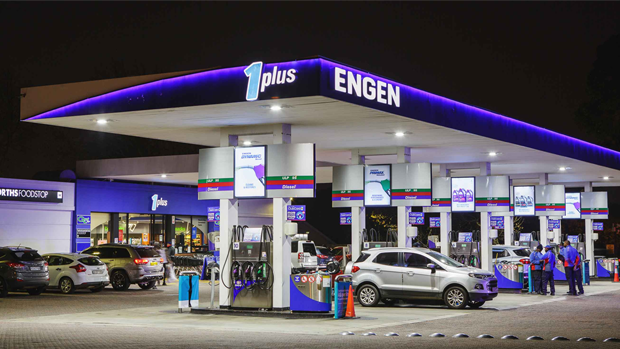
Vishnu Govender, Regional Director at Gilbarco Veeder-Root MEA, notes that supply chain disruptions can affect fuel availability and pricing due to geopolitical issues and regulatory changes. The market is also experiencing saturation, especially in urban areas, leading to increased competition and impacting profitability. Additionally, compliance with stricter environmental and safety regulations adds to operational costs and complexity.
The development of convenience stores and food services is a growing trend in the service station industry, creating an omnichannel environment. Well-stocked c-stores and quality food services offer competitive differentiation, and partnerships with popular food brands can broaden the range of offerings. Govender believes that the implementation of digital technologies requires significant investment and adaptation, which is crucial for maintaining resilience in a rapidly evolving market.
Expansion, technology, and emerging fuels in Ghana
The expansion of fuel retail networks in Ghana is steady, according to Tizard Ansah, Head of Operations and Compliance at Association of Oil Marketing Companies (AOMC). Both local and international brands are increasing their presence in urban areas to meet the growing fuel demand. Technology integration is becoming more widespread, with fuel stations adopting digital payment systems, loyalty programs, and mobile apps, which aligns with the country's broader digital financial inclusion goals.
The development of alternative fuels is still in its early stages. Liquefied Petroleum Gas (LPG) is increasingly being used for vehicles supported by the government's Cylinder Recirculation Model aiming for widespread access by 2030. There is also growing interest in biofuels derived from agricultural waste, as well as in LNG and CNG, with the government exploring these options and planning to introduce them at service stations by 2040.
Service stations face several challenges, including infrastructure deficits, particularly in rural areas, which hinder fuel delivery and accessibility. Compliance with stringent regulatory standards enforced by the National Petroleum Authority (NPA) is costly and challenging for smaller operators in a market with high competition and fluctuating global oil prices. In addition, issues such as fuel smuggling, adulteration, and financing difficulties for expansion or infrastructure upgrades add to the operational complexities, with stations investing in security measures due to theft and armed robbery threats.
South Africa’s transition
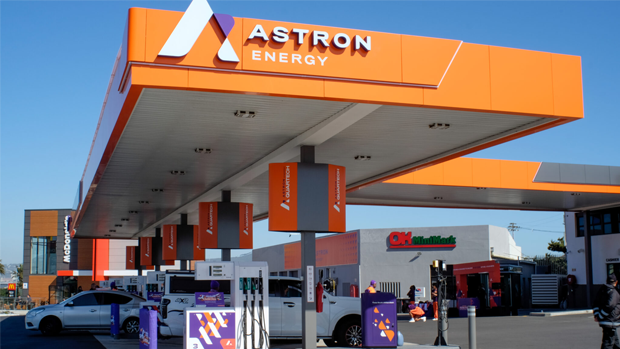
Although fossil fuels are expected to remain dominant in South Africa for the foreseeable future, alternative fuels are emerging as a rising threat. Vishal Premlall, National Director of SAPRA & TEPA, highlights several challenges facing the market, including diesel adulteration and high electricity costs. The introduction of loyalty programs has also disrupted the market, leading to an uneven playing field among retailers.
Meanwhile, the business landscape is diversifying, with the growth of convenience stores and food services becoming increasingly prevalent. Additionally, South Africa's aging vehicle fleet poses significant challenges to the adoption of electric vehicles (EVs) and hybrids.
The Regulatory Accounting System (RAS) model has come under criticism for not adequately compensating for bank charges, and may need reevaluating to better reflect the current operating environment. The association also expresses concern over illegal retailing practices by wholesalers and the ongoing issuance of licenses in a shrinking market. Despite these obstacles, there is a noticeable trend toward business diversification, with service station owners expanding their offerings to include a broader range of services tailored to their local markets.
Uganda: From imports to innovation
The Ugandan fueling market, characterized by liberalization and a reliance on imports, is experiencing significant developments. Anthony Ogalo, General Manager at the Sustainable Energies and Petroleum Association (SEPA), highlights that the Uganda National Oil Company now holds the mandate to manage petroleum imports, leading to logistical and supply chain challenges. Service stations face intense competition and infrastructure issues, with the top three players controlling nearly half of the market share, leading to sustainability challenges for independents and potential issues like product adulteration and inadequate maintenance. C-stores and food services are becoming crucial for customer satisfaction.
The country has taken steps to support alternative fuels such as biofuels and EVs. The Biofuels Act of 2020 and subsequent regulations aim for an E20 blend ratio for petrol and 10% biodiesel for gasoil, although the country currently lacks the capacity to produce sufficient ethanol. To address this, the government is encouraging private sector investment in refineries.
The digital transformation of the Ugandan fueling sector is mainly seen through payment systems, with mobile wallets and bank payment systems increasing in usage. However, Ogalo points out that site automation is limited, increasing the risk of fraud due to manual operations. Established in 2022, SEPA aims to promote professionalism and responsible energy marketing, bringing together various stakeholders in Uganda's energy sector to achieve these goals.