From “Stop & Go” to the “Third Place”
Published on: Feb 11, 2026
Advertorial
How service stations turn square meters into high-value assets.

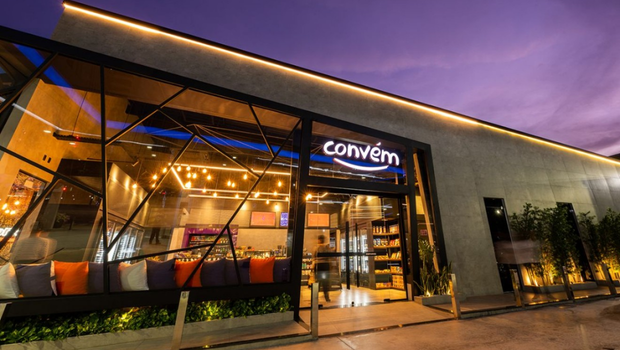
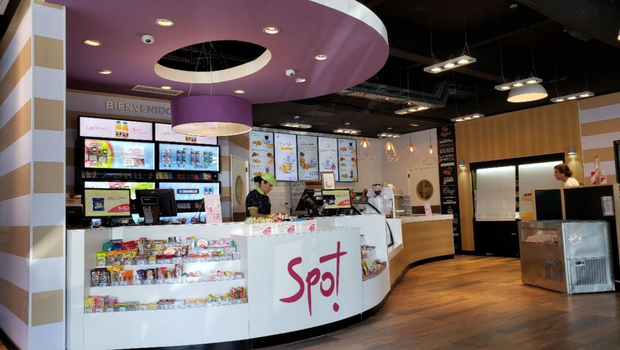
The mobility retail sector is undergoing a profound transformation in consumer behavior. What for years was a quick stop to refuel and make an impulse purchase is evolving into a multi-service hub, where the convenience store plays a central role in the customer experience.
“The customer is no longer in a hurry to leave. On the contrary, they seek a space that allows them to transition between their work, social, and personal lives,” explains Ernesto Sister, Head of Retail at Balko Argentina, a firm specialized in commercial architecture and retail consulting.
According to Sister, dwell time has become a strategic asset, forcing stations to rethink both their layout and spatial strategy.
When design becomes a driver of profitability
Today, a station’s profitability is no longer defined solely by the volume of fuel sold. It increasingly depends on user experience, comfort, and circulation within the space.
“We have moved from designing purely functional stores to creating destination spaces. The convenience store is no longer secondary, it has become the heart of the business,” Sister notes.
Strategic zoning and lighting design allow different user profiles to coexist within the same environment:
- those looking for a quick coffee,
- those needing a space to work,
- or those using the station as a meeting point.
“The layout is never random. Every square meter must be optimized to reduce friction in the purchasing process and improve thermal and acoustic comfort. That is where design directly impacts profitability,” he adds.
The phygital frontier: Integrating technology and experience
Technology is blurring the boundaries between the physical and the digital. Self-service terminals, invisible payments, and logistics pickup points are redefining traditional store design.
“Technology redefines the store as a node for services and logistics. We no longer sell only products; we offer time and space solutions,” says Sister.
The real challenge lies not only in incorporating technology, but in ensuring that it integrates harmoniously with the human experience. Poor implementation can negatively affect circulation and customer comfort.
The future: Stations as spaces of permanence
Looking ahead, the success of service stations will depend on their ability to consolidate themselves as a true “third place,” that intermediate space between home and work.
“Architecture must serve hospitality. The goal is for the customer to feel comfortable and welcome, almost as if they were in their own home,” Sister concludes. “When design and technology reach that level of comfort, loyalty and profitability emerge naturally.”
Stations that understand these new habits and translate them into strategic design will be better positioned to compete in an increasingly experience-oriented mobility retail environment.


By Ernesto Sister, Retail Specialist at Balko Argentina