The Modern Service Hub: Why Robotic Refueling and Charging are no longer optional
Published on: Dec 17, 2025
Advertorial
For years, the industry has discussed the transformation of fuel stations into mobility hubs. Concepts often focus on better food, premium coffee, attractive retail and extended dwell time. All of this is valid - but it overlooks a fundamental question for station owners: How do customers get the time to enjoy these services?
The answer is simple: by removing the most time-consuming and least value-adding tasks. Fueling and charging must become invisible, automated processes - and robotics are the only scalable way to achieve this.

Mobility hubs must eliminate friction, not add it
Modern service hubs are not built by adding more offerings alone. They succeed by reducing friction. Customers do not come to a gas station because they enjoy refueling; they come because they must. Every manual step - exiting the vehicle, handling a nozzle or cable, monitoring the process, returning to relocating the car - competes directly with retail, food and loyalty-driven experiences.
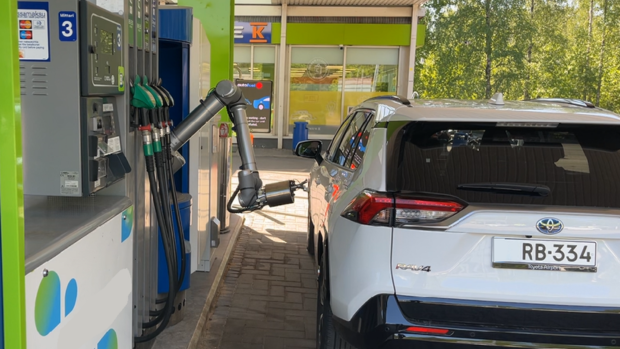
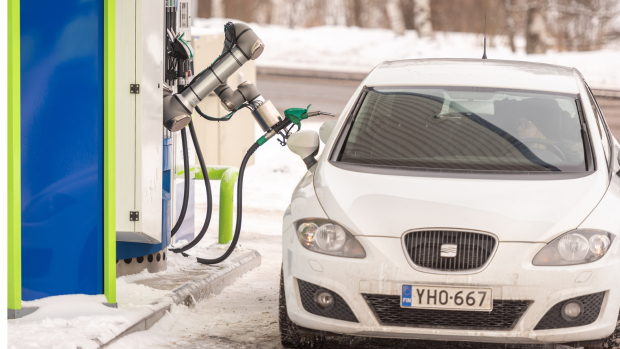
Robotic refueling and charging remove this friction entirely. They turn fueling and charging into background services, allowing customers to focus on what actually generates value for operators: food, beverages, convenience retail and premium services.
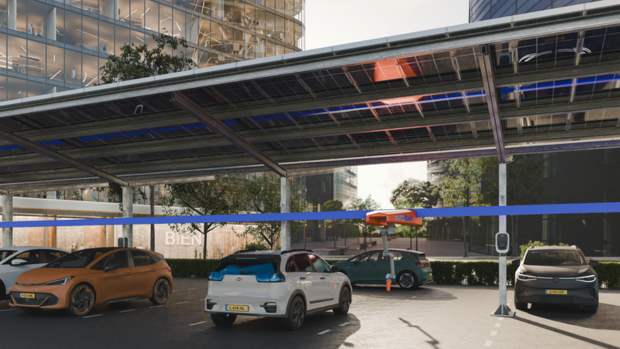
Autofuel has developed a robotic charging system with one robot to multiple chargers, see how it works here.
With robotic charging, EV drivers can enjoy a meal or coffee without worrying about unplugging, moving their car, or blocking a charger. The system handles it.
Creating a “business class” experience at the station
Airports didn’t grow profits by speeding passengers through terminals alone. They created business class experiences that reward convenience, comfort and time efficiency. The same logic applies to service stations.
Robotic fueling and charging enable:
- Priority or premium lanes
- Membership-based services
- Seamless, hands-free experiences for frequent users
- Accessibility for elderly drivers and people with limited mobility
This transforms the station from a commodity stop into a destination with tiers of service - a powerful differentiator in an increasingly competitive market.
Automation aligns with where vehicles are heading
Vehicles are becoming more autonomous, connected and software driven. Expecting future vehicles - or their users - to manually interact with pumps and cables is increasingly misaligned with reality. Automated vehicles cannot refuel or charge themselves without robotic infrastructure.
For station owners, this means one thing: sites that cannot support automated fueling and charging will be bypassed.
Waymo reports having 250.000 robo-taxi trips a week and in a recent Mobility Plaza article, Bolt released their plans of autonomous vehicles in cooperation with Stellantis with plans of going into more than 50 countries. Providers of robo-taxis are planning to handle their energy distribution for their fleet themselves or are already doing it. The gas stations are already missing out on this business opportunity.
Robotics is not about replacing people; it is about ensuring relevance in a future where mobility no longer depends on human intervention.
Serving an aging customer base — without adding staff
Demographics also matter. A growing segment of drivers will need assistance due to age or physical limitations. Staffing forecourts to provide manual help is expensive and inconsistent. Robotic systems deliver standardized, dignified assistance - without labor dependency or operating-hour constraints.
This is not just a social benefit; it is a scalable business solution.
Business insider recently brought an article highlighting the possibilities for people with physical disabilities using Autofuels robotic refueling systems.
From “nice to have” to “must have”
The modern service hub is not defined by how many services it offers, but by how seamlessly those services are delivered. Good food and coffee matter - but only if customers are free to enjoy them.
Robotic refueling and charging are no longer future concepts or experimental add-ons. They are infrastructure investments that unlock retail revenue, customer loyalty and long-term competitiveness.
For station owners, the question is no longer if automation will become standard — but who will lead, and who will follow.