From Fragmentation to Flow: The Power of Unified Payments
Published on: Feb 18, 2026
Advertorial
As payment technology evolves, so do customer expectations. This article explores how Invenco’s flexible, upgradeable payment solutions help retailers cut complexity and deliver seamless journeys across every channel.
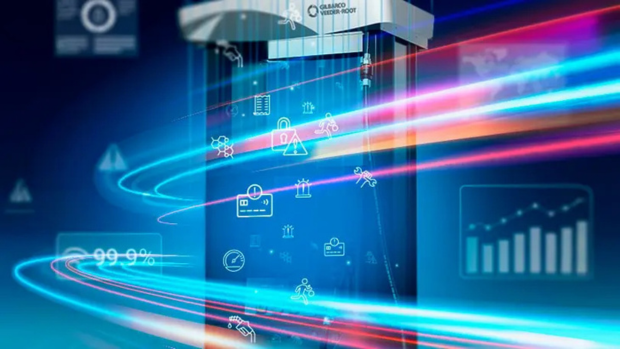
Refueling, whether that means charging an EV, filling up your tank, grabbing a cup of coffee, relies on a network of digital payment platforms more sophisticated and complex than the average consumer realizes.
Consumers expect faster journeys, more payment choices and a seamless pump experience. Meanwhile, operators are asked to deliver all that without increasing operational risk or overhead. The pressure adds up fast when systems don’t keep pace. Invenco’s perspective in this space highlights how critical modernized payments infrastructure has become for operators trying to adapt.
What was once a straightforward transaction is now a clash of new technology, security certifications, hardware lifecycles and consumer expectations. Empowering retailers with a connected, unified payment platform is the key to transforming a noisy, disparate group of systems into a harmonious solution for convenience retailers and their consumers.
Fragmentation is a growing pain for many retailers, a side effect from the years of technological advancements across the transportation and payment industries. Multiple payment vendors, disparate terminal types, and siloed integrations across pumps, kiosks, and the in-store POS hinder operational efficiency. Individual suppliers bring their own firmware, certification schedule and support model, creating a patchwork that complicates maintenance and increases the risk of incompatibility.
From a consumer standpoint, inconsistent user interfaces and payment options create friction: loyalty programs may not work across all touchpoints, and promotional offers may not apply at the pump. The net effect is higher operational overhead, more frequent downtime and a fractured consumer experience.
Now more than ever, it is important to prioritize platforms designed with upgradeability in mind, allowing hardware and software to adapt to new certifications and security protocols without forcing complete rip-and-replace cycles. Products, like Invenco’s FlexPay 6, secure the present and power the future of convenience retail.
Investing in a unified payments platform enables a consistent consumer experience, lowers total cost of ownership, and gives operators the flexibility to evolve payment strategies incrementally rather than starting from scratch. The long-term costs of outdated hardware, frequent certification updates, and emergency replacements are often overlooked. Designing terminals to adapt over time helps manage costs throughout the lifecycle, shifting the focus from the initial purchase price to total operational value. When the focus is on upgradeability, security architecture, lifecycle costs, integration with site equipment and the customer experience, the objective becomes one of resilience and operational confidence, not unnecessary complexity.
Payment systems no longer sit at the edge of forecourt operations. They intersect customer experience, operational control and business continuity. Payment infrastructure directly affects throughput and satisfaction, especially during peak times or when sites are unstaffed.
At Invenco, we believe in a future where a busy mom pulls into her local fuel retailer on empty and a car full of hungry kids. Running inside, she grabs water and fresh, healthy snacks, paying for all three necessities in one easy transaction. In just a few short minutes, she is back on the road topped off, a backseat of satisfied snackers, and a coupon for a free car wash on her next visit waiting for her in the mobile app.
That’s the magic of unified payments. A simple, seamless moment that keeps customers coming back and keeps operators prepared for whatever the future of convenience retail brings.