When it comes to energy, China shoots in every direction
Published on: Dec 11, 2024
China is rewriting the playbook for road transportation, blending rapid electric vehicle adoption with bold investments in alternative fuels infrastructure.
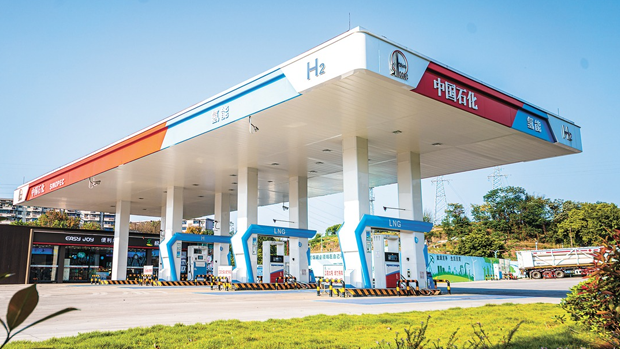

China steals the headlines when it comes to the transformation of the road sector. Electric vehicles are flooding Chinese roads while the public and private companies invest in alternative fuels infrastructure. The Asian giant is on a mission to meet ambitious carbon neutrality goals by 2060. At the heart of this shift lies an evolving network of service stations with national and international brands.
China’s network of over 100,000 service stations is experiencing a dramatic transformation. Historically reliant on gasoline and diesel sales, these stations are diversifying their offerings to include LNG, hydrogen, and EV charging. The multi-energy station concept has been a reality for a number of years.
The evolution of road transportation in China
With the world’s largest car fleet, China’s dependence on gasoline and diesel is undeniable. Policies aimed at peaking petroleum consumption by 2027 have started to shift the landscape. The demand for liquid fuels is slowly declining as alternatives gain traction.
Compressed natural gas (CNG) and liquefied natural gas (LNG) have emerged as viable options for reducing emissions, particularly among heavy-duty trucks. LNG truck sales surged to over 100,000 units in the first half of 2024, supported by government subsidies and stricter emissions standards. However, the economic viability of these trucks is closely tied to regional LNG pricing disparities and ongoing concerns about methane leakage.
Biofuels, despite their potential, have struggled to gain a foothold due to challenges with feedstock availability and limited policy incentives. The average biodiesel blend remains below 0.3%, but investments in advanced biofuels such as cellulosic ethanol and synthetic fuels are beginning to change the narrative. China has developed technologies to produce ethanol from coal and industrial waste gases, positioning itself as an innovator in the sector.
Hydrogen fuel cell technology is also making waves in China, particularly in the commercial vehicle segment. Sales of hydrogen-powered buses and trucks reached 5,217 units in the first three quarters of 2024, accounting for more than half of global sales in this category. While hydrogen infrastructure is still in its infancy, government incentives and investments are accelerating its deployment. Hydrogen refueling stations, though currently numbering just over 500 nationwide, are set to grow exponentially as subsidies and infrastructure investments take effect.
However, it’s in e-mobility where the country truly shines.
Electrifying China’s Roads
In 2023, the country accounted for over 60% of global EV sales, with 8.1 million units registered domestically. This represents a 35% increase compared to 2022, cementing China’s status as the largest market for electric vehicles. Policy measures, including tax exemptions and substantial subsidies, have made EVs more accessible, while domestic automakers have driven down costs through scale and technological advancements.
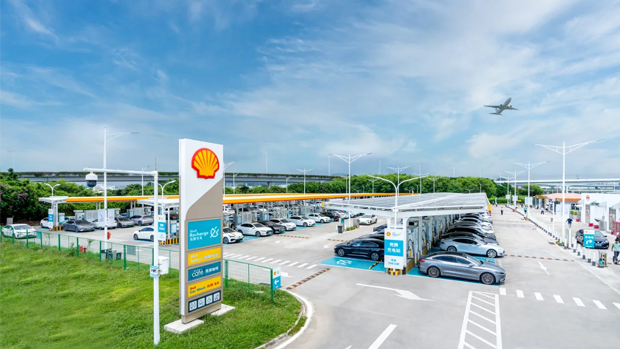
Charging infrastructure is expanding rapidly to keep pace with the surging number of EVs. By 2023, China boasted over 1.8 million publicly accessible charging points, more than half of the global total. Service stations are rapidly rolling out fast chargers to serve the growing demand. Last year, Shell and BYD opened the largest EV charging station in China featuring 258 public fast-charging points. By the end of 2023, nearly 30% of public EV chargers were located at service stations.
"Our country has built the world's largest charging infrastructure system, with the biggest number of chargers, the widest range of services and the most complete types of chargers," said Li Chao, a spokesperson for the National Development and Reform Commission (NDRC), back in June.
While electric vehicles are a key pillar of China’s decarbonization strategy, their environmental impact is tempered by the country’s reliance on coal-fired power, which still generates over 60% of its electricity. The country’s strategy has been: build an EV ecosystem first, get cleaner electricity later.
As China continues to reshape its transportation landscape, the evolution of its service station network will play a pivotal role. International brands like Shell and BP are already seeing significant growth in the market. Italian energy player ENI opened its first site earlier this year with CIEC. By blending traditional fuels with cutting-edge technologies like EVs and hydrogen, and by embracing advanced biofuels, China is creating a model for the world to emulate.