BP halts Rotterdam biofuels plant amid weak market demand
Published on: Sep 23, 2025
Decision follows series of canceled or delayed biofuel projects by major oil companies.
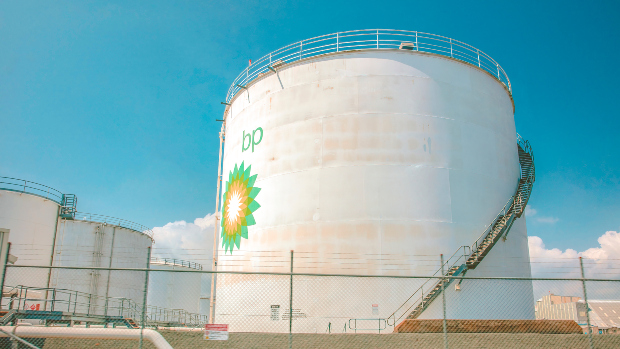

BP has abandoned plans to build a biofuels plant in Rotterdam, marking the latest retreat from biofuels by international oil majors facing sluggish demand and profitability challenges.
BP’s remaining biofuels activity is now centered on BP Bunge Bioenergia in Brazil, which produces about 50,000 bpd of sugarcane-based ethanol, alongside co-processing at existing refineries. The company has set a strict 15% return threshold for biofuels, in line with its oil and gas ventures, as reported by Reuters.
The move comes after BP’s February announcement that it would redirect investment toward higher-return oil and gas projects, following years of share price underperformance linked to its 2020 pivot into renewables. At the same time, the company scrapped its target of producing 100,000 barrels per day (bpd) of biofuels by 2030.
In recent months, BP has also shelved biofuel projects at Kwinana (Australia) and paused work at Lingen (Germany) and Cherry Point (U.S.), leaving Castellón (Spain) as its only potential site for future large-scale development. Just last year, the company projected these plants, together with Rotterdam, could produce 50,000 bpd by 2030, but none reached a final investment decision.
The decision mirrors Shell’s move early September to halt construction of its own Rotterdam biofuels plant, citing uncompetitive market conditions.