Global hydrogen refueling network surpasses 1,000 stations in 2024
Published on: Feb 12, 2025
Around 125 new hydrogen stations were added last year across the world, according to H2stations.org.

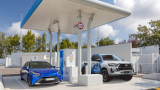
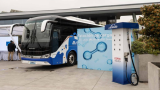
The global hydrogen refueling infrastructure reached a significant milestone in 2024, with over 1,000 stations now in operation worldwide. According to the 17th annual evaluation by H2stations.org, around 125 new hydrogen stations were added last year across the world.
Europe saw 42 new stations come online, bringing its total to 294. Germany remained the continent’s leader with 113 stations, followed by France (65), the Netherlands (25), and Switzerland (19). The first hydrogen stations in Bulgaria and Slovakia were established in their respective capitals, marking new additions to the network.
Asia continued to dominate in hydrogen refueling expansion, with 748 stations in operation by the end of 2024. China accounted for the largest share, hosting 384 stations, while South Korea had 198 and Japan 161. South Korea retained its position as the global leader outside of China in new station openings, adding 25 locations last year. Despite challenges in data accessibility, H2stations.org was able to confirm details for 203 hydrogen stations in China.
In North America, 13 new stations were opened in 2024. Canada saw an increase of four stations, bringing its total to 12, while the United States opened nine new stations but decommissioned 12, reducing the overall count to 89. Of these, 74 were located in California. The fluctuation in operational stations highlights the evolving nature of the hydrogen refueling landscape, with factors such as infrastructure maintenance and market viability influencing station availability.
Beyond established markets, hydrogen infrastructure is expanding to new territories. New Zealand, Bulgaria, and Slovakia were added to the list of countries with operational hydrogen refueling stations, contributing to a global network now spanning 45 nations. Additionally, plans are underway for at least 377 new stations outside China, indicating continued investment in hydrogen as a key player in the transition to sustainable mobility.
As hydrogen adoption gains momentum, infrastructure development remains a critical factor in scaling up the technology’s role in the energy transition. While Asia leads in expansion, Europe and North America continue to refine their networks, balancing new openings with strategic adjustments in station deployment.