Indonesia faces fuel shortages as government intervenes
Last update: Sep 5, 2025
Shell and BP-AKR confirmed that inventories of key gasoline products have run low.
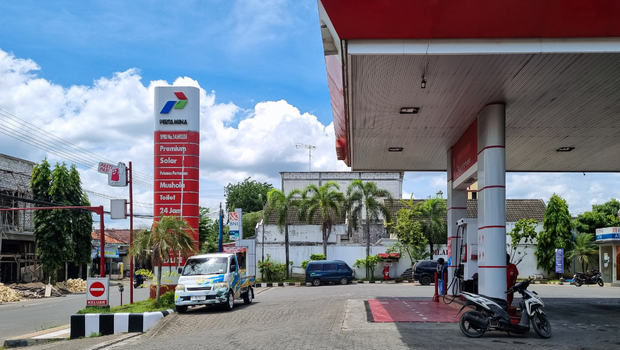

Indonesia is grappling with fuel shortages at petrol stations operated by Shell and BP-AKR, prompting the government to step in amid concerns over supply disruptions, reports Reuters.
Both companies confirmed that inventories of key gasoline products have run low, with BP-AKR citing limited stock of its 92-octane and 95-octane fuels, while Shell said several of its premium products, including Shell Super, V-Power and V-Power Nitro+, are unavailable at multiple sites. Shell has warned that the shortages could last for an “undetermined period,” though its stations remain open, supplying diesel products and services such as lubricants and vehicle workshops.
A senior official at the energy ministry, Laode Sulaeman, said the government will meet all privately run fuel distributors next week to discuss the issue. Import quotas for private firms have already been raised by 10 percent compared with last year in an attempt to ease pressure. Energy Minister Bahlil Lahadalia urged operators to consider partnering with state-owned Pertamina, which dominates the market and retains responsibility for energy security.
The market share of Shell and BP-AKR is small compared with Pertamina, but restrictions on subsidised fuel sales have pushed more consumers to private distributors, increasing demand. The shortages also come just months after Shell announced plans to divest its fuel retail business in Indonesia, further clouding the outlook. Shell’s President Director Ingrid Siburian said the company was coordinating with the Ministry of Energy and Mineral Resources “to ensure smooth distribution and supply” but did not provide a timeline for resuming sales of premium fuels.
The disruption highlights Indonesia’s continued reliance on fuel imports and the tension between state subsidies and private competition. While the government insists Pertamina can meet national demand, the strain on private distributors underlines the challenges of maintaining stability in the country’s energy market.