Robotic charging could unlock urban EV adoption — and create smart energy hubs
Published on: Jun 16, 2025
Advertorial
Despite ambitious climate targets and increasing regulatory pressure, electric vehicle (EV) adoption in Europe remains modest — hovering around 10% even in the most developed countries. One major obstacle stands out: access to convenient charging infrastructure, especially for city dwellers without home charging options.
Autofuel’s latest innovation in robotic EV charging, as demonstrated in the video below, could become a game-changer by addressing one of the biggest pain points in EV ownership.



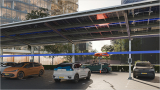
Solving the Urban Charging Challenge
According to McKinsey, 42% of non-EV adopters cite the inability to charge at home as a key reason for holding back. Given that EV adoption is only at 10%, this means a large segment of potential users are effectively excluded due to charging limitations.
In dense urban areas, where private parking is a luxury, EV drivers often rely on limited public chargers. This typically involves:
- Finding an available spot,
- Plugging in manually,
- Monitoring the charging session
- Returning later to move the vehicle — often at inconvenient times.
This inefficient cycle causes frustration, consumes valuable time, and results in underutilized infrastructure. Ultimately, it discourages EV adoption at a time when cities urgently need cleaner transportation.

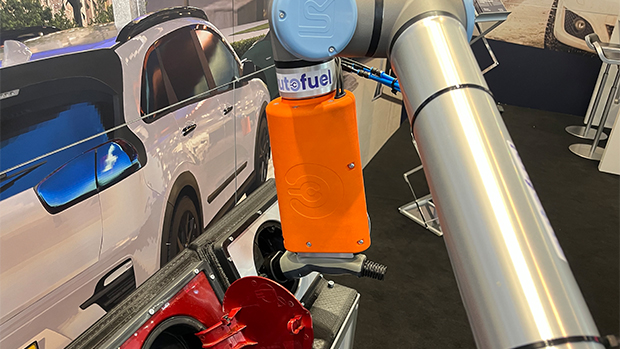
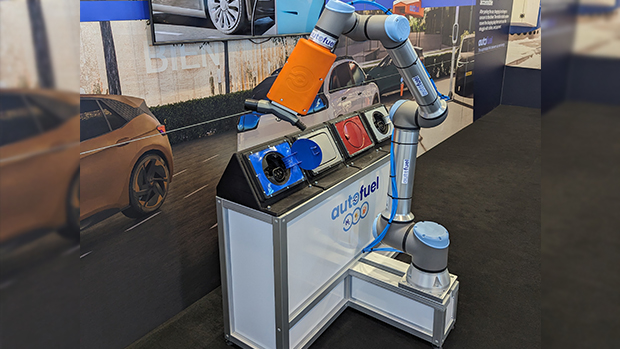
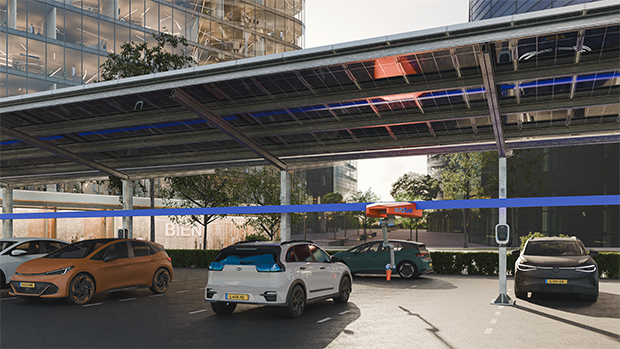
How Robotic Charging Works — and Why It Matters
The robotic system automates the entire charging process. When a user arrives, they simply:
- Park in a space connected to the robotic system,
- Select their departure time and desired battery level on a mobile app,
- Walk away — charging is no longer their concern.
From there, the robot takes over:
- Moves to the vehicle via a guided rail system,
- Inserts the charging plug and initiates charging,
- Removes the plug and closes the charge port when charging is complete. Then it continues to next vehicle.
The system uses the user input to prioritize vehicles based on departure time and energy needs. It also plans charging based on electricity prices, ensuring charging occurs during off-peak hours when energy is cleaner and cheaper.
This enables: Intelligent load balancing, minimized grid stress, and dynamic pricing models, such as off-peak discounts or guaranteed "ready-by" charging.
For charging operators, it’s an opportunity to differentiate services, increase utilization, and improve ROI on infrastructure investments.
Preparing for the Future: V2G and Autonomy
As EV adoption grows, the value of robotic charging increases further by enabling:
- Vehicle-to-Grid (V2G) and smart energy integration — the system ensures vehicles are connected at optimal times to support grid demand and utilize fluctuating green energy sources.
- Autonomous vehicles — the system lays essential groundwork for both autonomous taxi fleets and private AVs, which will rely on fully automated charging to operate efficiently and independently.
Workplace Applications: Recovering Lost Productivity
Companies with large commuting workforces also stand to benefit. Today, employees waste time searching for chargers or leaving their desks to move vehicles — a hidden but significant productivity cost.
Example: A company with 5,000 employees and 500 EVs (10% adoption) charging twice a week could lose over €33,000 weekly in productivity due to manual charging processes.
With robotic charging, companies can:
- Save on productivity costs,
- Offer seamless charging for staff and clients,
- Ensure green and cost-efficient charging by integrating the system with smart energy management platforms.
A Scalable Step Toward Mass Adoption
Robotic charging transforms any regular parking space into a smart charging hub. It enables cities, companies, and fleet operators to scale infrastructure efficiently.
Most importantly, it removes one of the biggest psychological and practical barriers slowing down EV adoption — especially for the 42% who cannot plug in at home.
In the race to electrify transportation, the solution isn’t just more chargers. It’s smarter charging solutions.
Interested in piloting this system? Contact Autofuel to learn more.