Seamless payment experiences for smart EV drivers
Last update: Sep 19, 2024
Advertorial
It is undeniable that both, global payments landscape and the world of mobility, are undergoing a deep transformation, driven by regulatory frameworks such as AFIR (Alternative Fuels Infrastructure Regulation), technological advancements and the continuous changings in consumer behaviours. From the use of apps, to wearables: what we see is the adoption of a complex landscape where different methods coexist, not always in harmony.
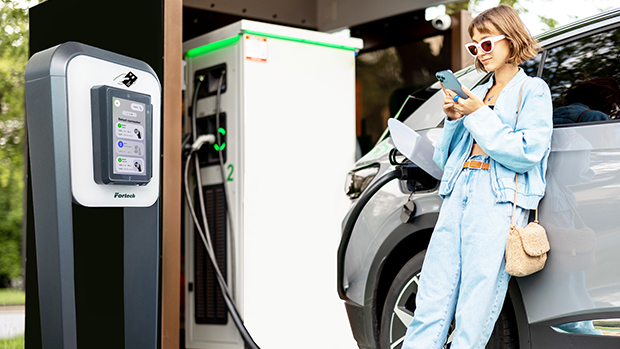
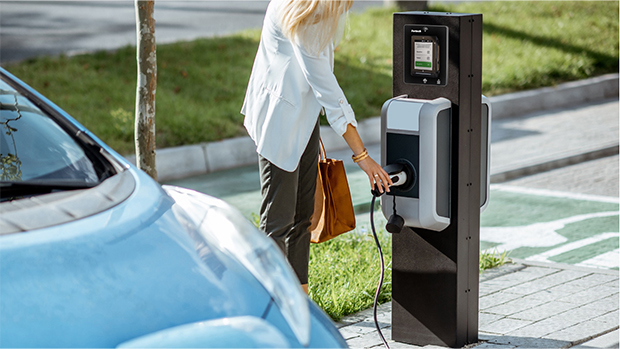
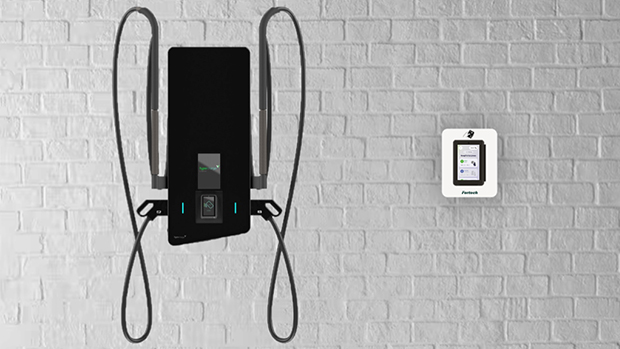
While consumers want seamless experiences, charging a vehicle is not always an easy process. If you own an EV, you know how important it’s to have access to a reliable network of charging stations and, equally important, a convenient and easy-to-use payment device. Unfortunately, it still happens that, once e-drivers arrive at the charging point, find themselves with poor connectivity or with the necessity to download/update an app (resulting in a waste of time) in order to proceed with the charging session.
As the demand for EVs increases, the charging industry is evolving, offering a variety of payment solutions to make the process as simple as possible. In this comprehensive guide, we will examine Fortech’s main payment systems for electric charging. Thanks to its know-how and expertise in the traditional mobility sector Fortech has in fact developed a deep understanding of the consumers’ needs.
CREDIT OR DEBIT CARDS
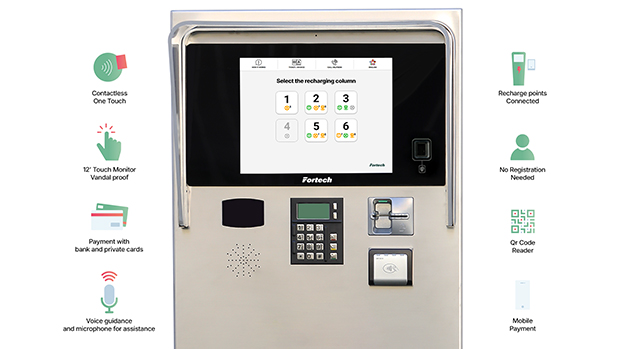
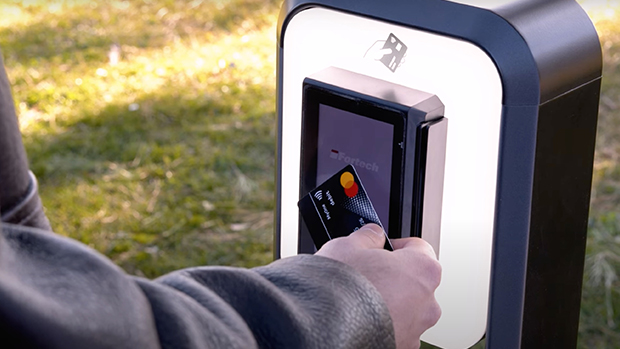
Credit and debit cards are among the most widely used and universal payment options for users, as they replicate the traditional fuelling experience. Charging stations that have chosen Fortech terminals, accepting card payments, have made the payment process simpler and faster. Moreover, as it has been published on AFIR, from 13 April 2024, infrastructure operators installing new public charging stations (DC≥50kWh) are obliged to guarantee the end user payment service via credit/debit cards. Chargers with the same characteristics, installed before April 2024, will have to be retrofitted by 1 January 2027.
Advantages:
- Universal: Internation credit and debit card works across different networks and in many countries. VISA, MC, AMEX cards are widely accepted across the globe, making them a convenient option for both local and international EV drivers. Almost everyone carries a card, and it eliminates the need to download additional apps or set up new accounts with long registration forms.
- Simplicity and Speed: The payment process is instant, without needing to enter additional information. With credit or debit card payments, users can simply tap, swipe, or insert their card at the charging station’s terminal, completing the transaction in seconds. This straightforward process reduces wait times and makes the charging experience more efficient.
- Purchase Protection: Financial cards offer protection against fraud and unauthorized charges. Card payments are protected by multiple layers of security, including encryption, fraud detection systems, and PIN or signature verification. Additionally, almost all the banks offer fraud protection policies that safeguard users in case of unauthorized transactions.
- Expense management: For businesses and fleet operators, detailed billing and transaction records are available, which simplifies the task of tracking charging costs and provides greater financial control.
- AFIR Compliant: this payment method is fully AFIR compliant as it meets the requirements set by the European regulation.
- Hygiene: the widespread use of contactless cards ensures a hygienic and touch-free transaction, which has become particularly relevant in recent years, allowing for a seamless, safe, and fast charging experience.
DIGITAL PAYMENTS AND WEARABLES
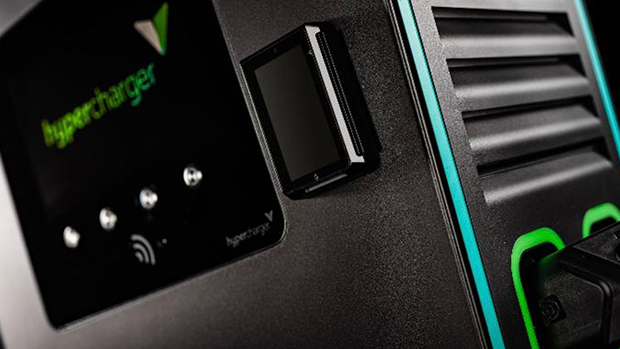
In recent years, digital payment methods have revolutionized the way we manage transactions, and EV charging is no exception. Using digital payments for charging offers numerous benefits for both users and charging station providers. Fortech payments system allows the acceptance of digital payment methods, such as Google Pay, Apple Pay and Satispay. Additionally, it allows payments with wearable devices such as smart rings and smart watches.
Advantages:
- Convenience and speed: EV drivers can easily pay for their charging sessions through digital wallets or wearable devices like smartwatches and rings. This eliminates the need for cash or physical cards, streamlining the process and reducing time spent at the charging stations.
- Security is a key advantage. Digital payments are often encrypted and protected by security protocols, reducing the risk of fraud or theft. This ensures a safer experience compared to traditional payment methods.
- Transaction transparency: digital payments offer clear, easily accessible records of each charging session, allowing users to track their expenses, monitor their usage, and receive detailed invoices. This is particularly useful for businesses or fleet operators who need precise data on their EV charging costs.
Finally, using digital payment systems helps make the charging infrastructure more future-proof. As the demand for EVs grows, the ability to integrate payments seamlessly into a connected ecosystem, including smart grids and real-time data sharing, will be critical to supporting the transition to electric mobility.
QR CODES
As technology continues to evolve, QR codes have emerged as a convenient and innovative way to handle payments, including for EV charging. Paying with QR codes offers multiple advantages for both users and service providers.
Advantages:
- Convenience: to pay for a charging session, users simply scan the QR code displayed on the charging station using their smartphone. This eliminates the need for carrying physical cards or cash, providing a seamless payment experience that can be completed in just a few taps.
- Widespread accessibility: with smartphones becoming increasingly ubiquitous, almost anyone can access this payment method without needing specialized hardware. Additionally, QR codes are compatible with a wide range of payment platforms and digital wallets, making it a flexible option for different users.
- Easy to implement: for businesses and EV charging providers, QR code payments are cost-effective and easy to implement. There's no need for card readers or payment terminals. Instead, a simple QR code can be printed or displayed on digital screens, reducing infrastructure costs while providing a modern payment solution.
- User engagement: QR codes are also ideal for user engagement and interaction. Charging station providers can integrate them with mobile apps, offering users real-time information on charging status, pricing, and station availability, all accessible through the same scanning process.
MOBILE APPS AND PLATFORMS
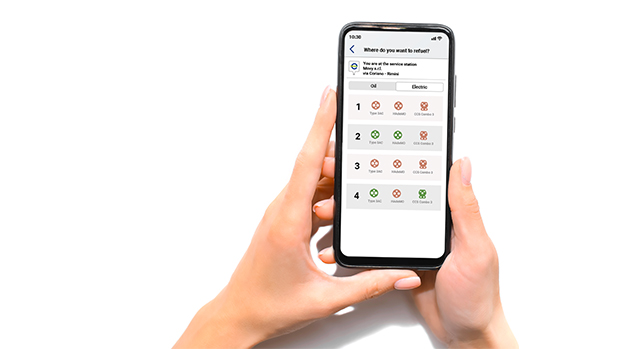
One of the most common ways to pay for charging your EV is through multiple apps and online platforms. Fortech provides the SW and the infrastructure to create apps that also allow the driver to locate the nearest charging stations, check the availability of charging points, and of course, pay directly through the app itself.
Advantages:
- Convenience: You can find charging stations and pay all through the same app.
- Real-time Information: Apps provide real-time updates on station availability and other useful details.
- Transaction History: They allow you to keep track of your expenses and mileage.
- Customization: the merchant can choose a fully customized app, with dedicated colours and logo.
- Customer loyalty: the mobile app is the ideal solution for building customer loyalty of a single business or a network of different activities, such as supermarkets, petrol stations or hotel chains.
WEB PLATFORM
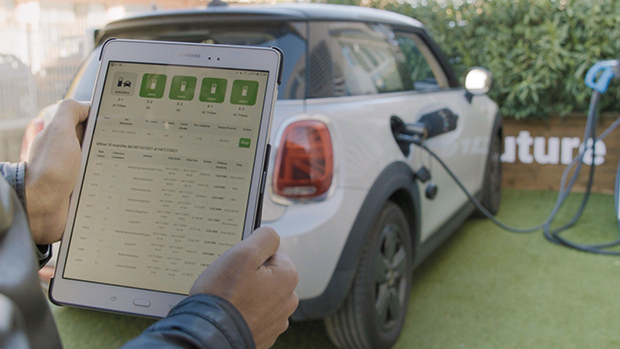
Fortech offers the chance to manage the charging stations directly from a web portal. The ideal solution for private contexts, hotels or locations where there is an operator who enables or disables charging from the charging stations.
Advantages:
- Seamless and controlled charging experience for both the facility and its guests or customers. Whether you need to allocate charging times, restrict usage during peak hours, or provide exclusive access to VIP customers, the web portal offers full flexibility and control.
- Detailed reporting tools allow operators to track energy consumption, monitor charging sessions, and generate usage reports, all of which are essential for optimizing operational efficiency and energy management.
- Uninterrupted service: with remote access, operators can manage multiple charging stations from anywhere, ensuring reliable and always-on service for e-drivers.
24/7 Support and Maintenance by Fortech
To ensure the reliability and efficiency of your charging stations, Fortech provides 24/7 support and maintenance services. This comprehensive service guarantees that any technical issues or malfunctions are swiftly addressed, minimizing downtime, and ensuring a seamless charging experience for users. With Fortech's round-the-clock support, the charging infrastructure remains fully operational every time. Regular maintenance checks and system updates are also included, preventing potential issues and keeping your site running optimally.
Thanks to Fortech there are more digital payment choices than ever, and new methods are being introduced all the time. These options add opportunities for security, speed, and simplicity — letting consumers pay the way they want while helping merchants offer greater convenience and frictionless experiences.
FORTECH
Market leader in Italy for automation systems and payment solutions, such as OPT and POS for traditional fuel dispensers and EV charging stations, car wash starters, cash register for shop and restaurant in addition to several services provided by remote and onsite.
With its huge knowledge in the mobility industry, Fortech has developed AFIR-compliant payment solutions for EV chargers, thus managing the technology infrastructure of electric charging for some of the most important CPO around Europe. Fortech is already present in Italy, Spain, Switzerland, Germany, France, Romania, Hungary, Morocco, Iceland, Austria, Guatemala and Iraq.
Learn more on our website.