Repsol advances renewable fuels with innovative crops
Published on: Apr 25, 2025
The energy giant will collaborate with Bunge to focuses on processing camelina and safflower into low-carbon feedstocks for diesel and sustainable aviation fuel.
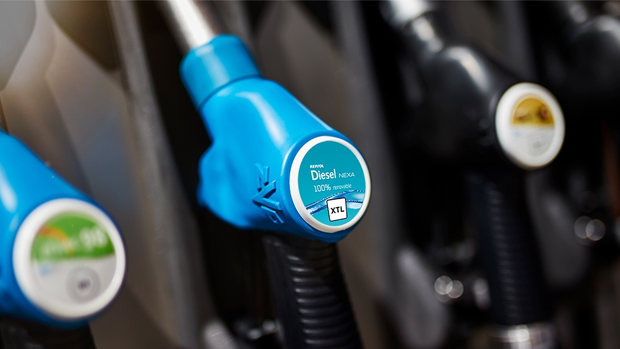

Repsol and Bunge have announced an initiative to expand the production of renewable fuels in Europe through the use of intermediate novel crops.
As part of their collaboration, the companies will process camelina and safflower into low-carbon intensity oils, which will serve as feedstock for hydrotreated vegetable oil (HVO) and sustainable aviation fuel (SAF).
This development marks a major step forward in feedstock innovation, as intermediate crops offer a pathway to produce renewable fuels with emission reductions of up to 90% compared to conventional diesel. Repsol will leverage its advanced industrial technology to convert these oils into renewable fuels, contributing significantly to the creation of a new renewable fuel supply chain in Spain.
“Renewable fuels are a fundamental pillar for Repsol on our road to becoming zero net emissions by 2050, and intermediate crops must play a key role in guaranteeing the supply of the low-carbon feedstocks necessary to produce these fuels,” said Juan Abascal, Repsol’s Executive Managing Director of Industrial Transformation and Circular Economy.
Following the recent closure of their previously announced transaction, both companies reaffirmed their commitment to research and development aimed at identifying new low-carbon feedstock opportunities.
By introducing camelina and safflower into the renewable fuels supply chain, Repsol and Bunge are setting the stage for a more resilient, diversified, and sustainable energy future in Europe.