Q&A with Mark Wohltmann (NACS) on Japan and upcoming Tokyo event
Published on: Feb 4, 2025
Japan has one of the strongest convenience store industries in the world. Ingrained into Japanese day-to-day life, they are known for their high-quality food and operational excellence. We speak to Mark Wholtmann, Director of NACS Global, about the Japanese market and the upcoming edition of the NACS Convenience Summit Asia, taking place in Tokyo on February 25–27.
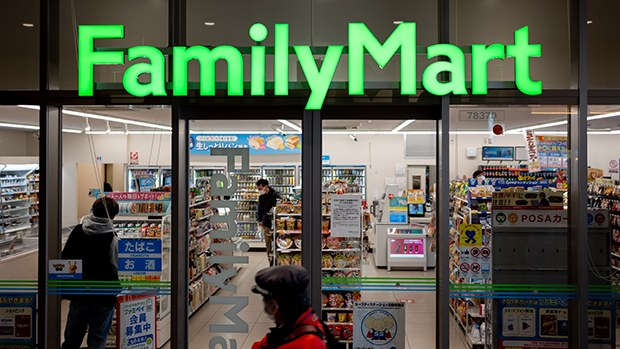

Question. You recently spent time in Tokyo doing research for the event. Aside from its convenience stores, what impressed you about the country?
Answer. Two things that come to mind. One is Mount Fuji. It's amazing how you can see it from everywhere. I can highly recommend taking a tour. There's a lot to see, great landscape. It's just a beautiful country no matter what time of year you're there.
What really strikes me is that Japan is a country that works. That is based on a lot of rules and regulations, a lot of official things, but also a lot of societal rules. I learned that the society is very much based on respect. Processes are in place, and everything is well organized.
Q. What can you tell us about the format for this year’s NACS Convenience Summit Asia?
A. It's the exact same format as we did last year. The three days are broken up into store tours and conferences every day. We start on the first day with store tours. It's also a good way to get to know each other and do some networking. On the third day, we turn it around. It's conference first, and then store tours as the last block.
Q. What will be the big themes for the conference program?
A. We have some really good speakers this year. We always try to get some insights into the local market but also explore best practices from around Asia-Pacific. As well as retailer case studies from other parts of the world.
Cybersecurity will be a big topic – as we always say, it's not a question of if but when you will have a breach. It’s about protecting, dealing with breaches, and minimizing the impact. Another topic I'm really looking forward to is Brian Gray from Accenture on artificial intelligence. Last year he spoke at most of our events about AI, showing the audience what is possible. It was our highest-rated session through all our events. Now he is narrowing it down on use cases for convenience and fuel retail—what is out there that you can use to make our business more efficient, faster, have more customer service, and deal better with our employees.



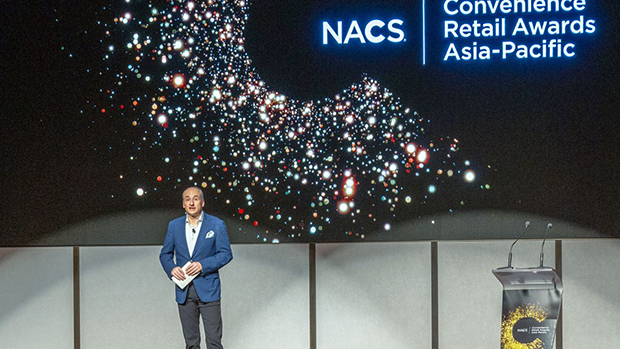
Q. I think nowhere in the world are convenience stores so integrated into day-to-day life as in Japan. How do you explain this remarkable growth?
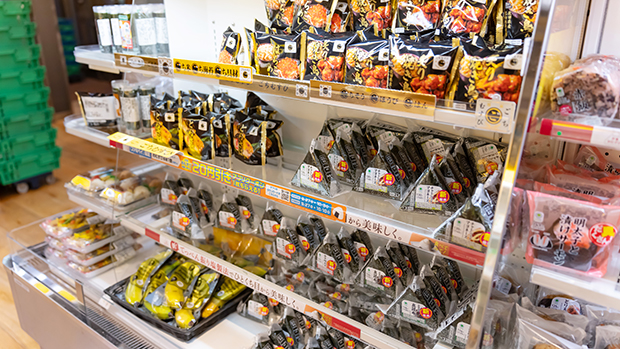
A. Success in convenience retail hinges on understanding the local customer. In Japan, especially Tokyo, stores have adapted to meet specific needs. For instance, even small stores often feature seating areas to cater to lunch customers. This attentiveness has led to high-quality, ready-to-eat food offerings not commonly found elsewhere.
In contrast, other markets may not exhibit the same level of integration between convenience stores and daily life. For example, in some Western countries, convenience stores primarily focus on packaged goods and may not offer fresh meal options or seating areas. Additionally, the density and urban planning of cities like Tokyo support the proliferation of convenience stores, a factor that differs in cities with more suburban layouts.
Q. The integration of quality food into convenience stores is something most retailers around the world aspire to.
A. Indeed. It's about maintaining high standards through strict processes. For example, in Japan, you can find dishes like raw chicken sashimi, prepared safely due to meticulous procedures. This level of quality control ensures customer trust and satisfaction.
Q. What lessons can global retailers learn from Japan's approach to supply chain and store operations?
A. Japan exemplifies operational excellence. Convenience stores receive multiple daily deliveries, needing a well-organized fleet and strategic warehousing. Success relies on precise management of logistics, staffing, and equipment to ensure product quality. This model emphasizes the importance of flexibility and responsiveness in supply chain management.
Q. Japan is technologically advanced for some things but is quite traditional for others. What role does technology play in their store operations?
A. Japan focuses on seamless integration. Unlike places with visible tech displays, Japanese stores prioritize behind-the-scenes connectivity, enhancing efficiency in areas like loyalty programs and inventory management. This approach ensures that technology serves to streamline operations without overwhelming the customer experience.
Q. What about the role of service stations in this ecosystem?
A. Many Japanese petrol stations lack convenience stores and offer just fuel. Some share plots with convenience stores, like a petrol station adjacent to a 7-Eleven, operating independently but benefiting mutually. There are large service areas without fuel, serving as recreational hubs with amenities like shops and cafes. This reflects a unique approach that focuses on customer needs beyond fueling.
Q. Do you see any challenges to the dominance of c-stores in the food-on-the-go category?
A. Despite competition, convenience stores remain integral to Japanese society. Their established presence and consistent quality make them a staple for many consumers. The convenience and reliability they offer continue to attract a broad customer base, even with the rise of food delivery services. Affordability is another key element of Japan's convenience stores.
Q. The NACS Convenience Summit Asia is scheduled for February 25–27 in Tokyo. Can people still register?
A. Registration is open until the day before the event. We're anticipating a larger turnout than last year's summit in Seoul, with attendees from across the globe. It's an excellent opportunity for industry leaders to network and gain insights into the future of convenience retailing.
See you all in Tokyo!